


Human Behavioral Techniques, in Preparation for Puppy Training
- Kim Casey

- Dec 12, 2025
- 3 min read

Training a puppy is often seen as a matter of teaching commands, leash manners, and socialization. Yet the truth is that a dog’s training is only as advanced as his human. We’ve all heard the analogy of “putting the cart before the horse.” In dog training, this couldn’t be more prominent. Before you put the training lead on the puppy, you must first train the human. This article explores human behavioral techniques, in preparation for puppy training, showing how mindset, consistency, and communication shape canine success.
Why Human Behavior Comes First
Dogs are masters of reading human cues. They interpret tone, posture, and consistency far more than words. If the handler is inconsistent, impatient, or unclear, the puppy will struggle to learn. The American Kennel Club emphasizes that owner consistency and calm leadership are the foundation of effective puppy training. By focusing on human behavioral techniques first, we ensure that puppies receive clear, reliable signals.

The Psychology of Preparation
Human behavioral techniques, in preparation for puppy training, begin with self‑awareness. Owners must recognize their own tendencies—whether they rush, lose patience, or fail to follow through. Puppies thrive on routine, so the human must commit to structure. The ASPCA notes that positive reinforcement works best when humans are consistent and emotionally stable. This means humans must train themselves to reward desired behaviors promptly and ignore or redirect unwanted ones without frustration.

Communication and Body Language
Puppies might not understand verbal cues in the onset of training, but they do understand body language. Human behavioral techniques include learning to stand tall, use calm gestures, and avoid mixed signals. For example, calling a puppy while leaning away may confuse them, while crouching and opening arms invites approach. PetMD highlights that owners who master body language and timing create stronger bonds and faster learning outcomes. By practicing deliberate movements and consistent cues, humans prepare themselves to be effective communicators.

Patience and Emotional Regulation
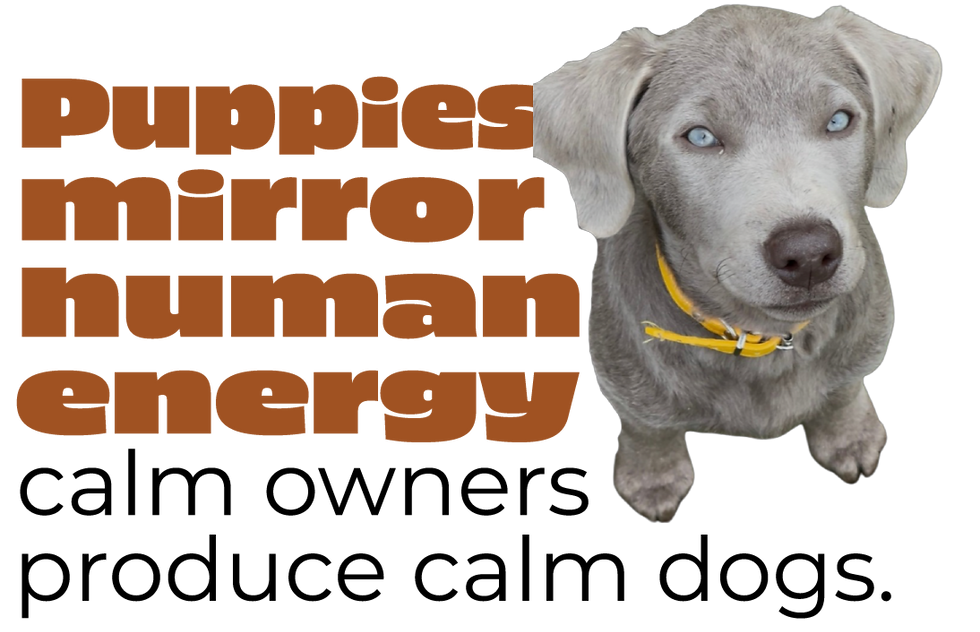
Training a puppy requires patience. Humans must learn to regulate their emotions, because frustration or anger can damage trust. Puppies mirror human energy—calm owners produce calm dogs. Practicing mindfulness, deep breathing, or even short breaks during training sessions are human behavioral techniques that prevent escalation. This preparation ensures that when challenges arise, the handler remains composed and supportive.
Consistency and
Routine
One of the most critical human behavioral techniques, in preparation for puppy training, is consistency. Puppies thrive on predictable routines. If a command is given differently each time, or rules change depending on mood, the puppy will be confused. Humans must discipline themselves to maintain routines, use the same cues, and enforce boundaries consistently. This requires self‑training before puppy training even begins.

The Cart Before the Horse Analogy
Imagine trying to teach a puppy leash manners when the human hasn’t yet learned how to hold the lead, pace themselves, or deliver cues consistently. It’s truly putting the cart before the horse. By preparing humans first—teaching them patience, consistency, and communication—we set the stage for successful puppy training. The puppy’s progress depends entirely on the human’s ability to lead with clarity and calmness.
Summary
Human behavioral techniques, in preparation for puppy training, are the cornerstone of success. Training a dog begins with training the human—developing consistency, patience, communication skills, and emotional regulation. As the AKC, ASPCA, and PetMD emphasize, puppies thrive when humans provide clear, calm, and consistent guidance. By focusing on human behavior first, we avoid putting the cart before the horse and ensure that puppies grow into well‑trained, confident companions.


Comments